
Recent News
- ▶ Preventing Ocean Cargo Rust and Moisture Damage: Best Practices for Global Steel Shipping and Customs Clearance
- ▶ Stainless Steel Grade Selection: Comparing 304, 316L, and Duplex 2205 for Chemical and Marine Applications
- ▶ A Complete Guide to Structural Steel Rebar and Beams: ASTM vs BS vs EN Standards for Infrastructure Projects
- ▶ Essential Quality Control Checkpoints for International Steel Sourcing: From MTC Verification to Container Loading
- ▶ Galvanized vs Galvalume vs PPGI: How Modern Coating Technology Protects Steel in Harsh Environments
- ▶ A Comprehensive Guide to Selecting Steel Pipes for Industrial Pipelines: Seamless, ERW, LSAW, and SSAW
Message
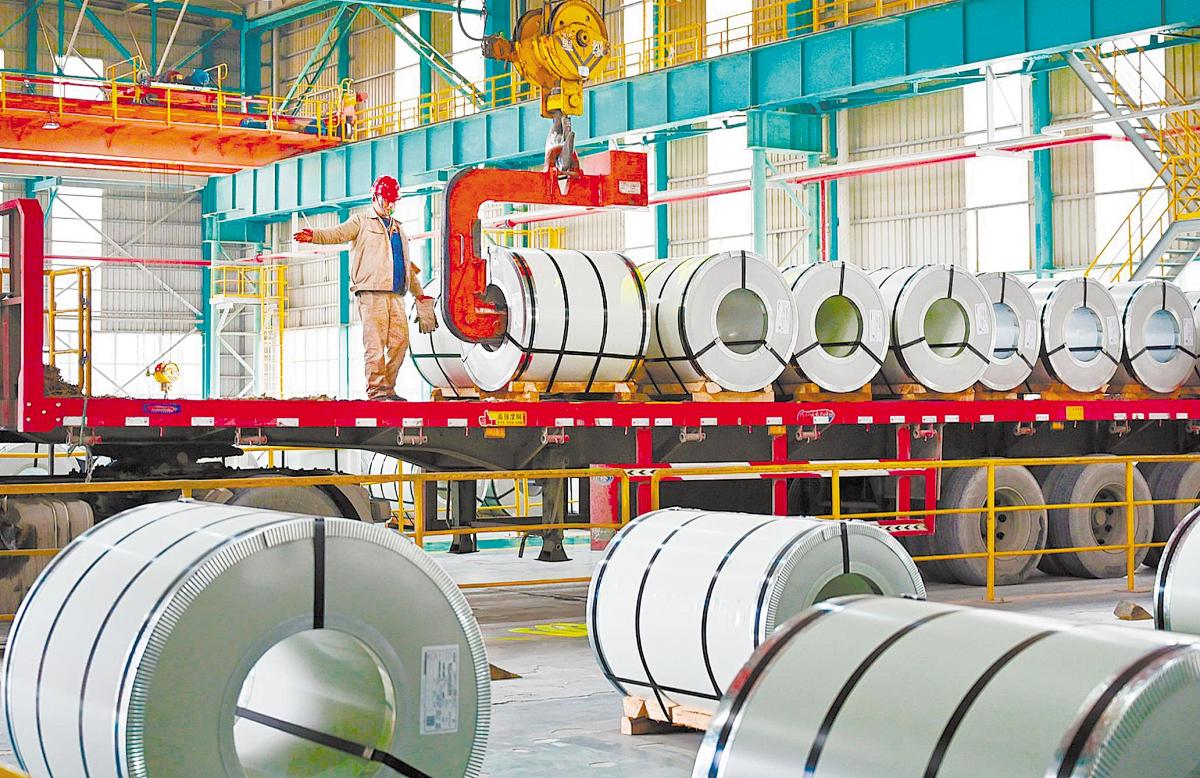
Introduction: The Hidden Challenge of Maritime Transit
A flawless manufacturing run can be completely undermined if steel cargo arrives at destination ports with water ingress, surface pitting, or white rust (zinc hydroxide on galvanized steel). Prolonged ocean voyages—such as 35 to 60-day transit times from Asia to key African ports (e.g., Beira, Durban) or South American gateways (e.g., San Antonio, Puerto Ordaz)—expose metal surfaces to severe humidity, temperature swings, and salty marine breezes.
1. Understanding Cargo Sweat and Moisture Dynamics
During maritime transit across equatorial zones, rapid temperature drops cause the air inside ship holds or closed 20ft/40ft containers to reach dew point. Condensation drips onto steel surfaces, triggering galvanic reactions and oxidation.
- Protective Anti-Rust Coating: Specify vanishing oil, heavy slushing oil, or passivation treatment (chromated/trivalent chromate) at the mill.
- VCI Barrier Packaging: Use Volatile Corrosion Inhibitor (VCI) film and multi-layer waterproof barrier paper with reinforced plastic inner lining for all high-value cold-rolled, galvanized, and silicon steel coils.
- Desiccant Allocation: Deploy high-absorption calcium chloride desiccant bags (minimum 2.0 kg to 4.0 kg per 20ft container) secured along cargo sidewalls.
2. Containerized Shipping vs. Breakbulk Vessel Chartering
Selecting the optimal shipping mode depends on tonnage, dimensions, and discharge port infrastructure:
- Containerized Shipping (FCL - 20ft Heavy):
- Best for coils, bundles under 5.8m, and high-precision pipes up to 25–28 MT per container.
- Critical Rule: Requires heavy timber skids (dunnage), heavy-duty lashing straps (breaking strength ≥5000 daN), and weight balance to avoid container floor punch-through.
- Breakbulk / Bulk Vessel (Chartering):
- Essential for large-diameter pipes (LSAW/SSAW), 12m structural steel beams, and orders exceeding 500–1,000 metric tons.
- Critical Rule: Require under-deck stowage (Under Deck Only) in the Bill of Lading to prevent direct seawater spray exposure on weather decks.
3. Discharge Port Handling and Clearance Protocol
In emerging markets with congested port facilities or long inland transit corridors (such as landlocked Zimbabwe, Zambia via Beira/Durban):
- Demurrage & Detention Free Time: Negotiate 14 to 21 days combined free time at destination with ocean carriers to cushion local customs inspection delays.
- Document Accuracy: Ensure strict alignment across Commercial Invoices, Packing Lists, Certificates of Origin (Form E, CO), MTCs, and Bills of Lading (matching exact HS Codes, gross/net weights, and heat numbers).
- Port Discharge Inspection: Contract an independent marine surveyor (e.g., SGS, Intertek) at the discharge port to issue a tally and condition report before cargo releases to local trucking.
Conclusion
By combining certified mill packaging, strict container stuffing standards, and proactive logistics documentation, international steel buyers can safeguard cargo integrity, eliminate dispute risks, and ensure smooth delivery to final construction sites.
Leave A Message
If you are interested in our products and want to know more details, please leave a message here, we will reply you as soon as we can.