
Recent News
- ▶ Stainless Steel The Passive Layer
- ▶ Stainless Steel Coil Calculate with Confidence
- ▶ Stainless Band economic safe and quality assured
- ▶ How Stainless Band serves the fastener and fixings industry
- ▶ From Strength to Strength in Stainless Steel Coil Products
- ▶ Duplex Stainless Steel Products from BS Stainless
Message
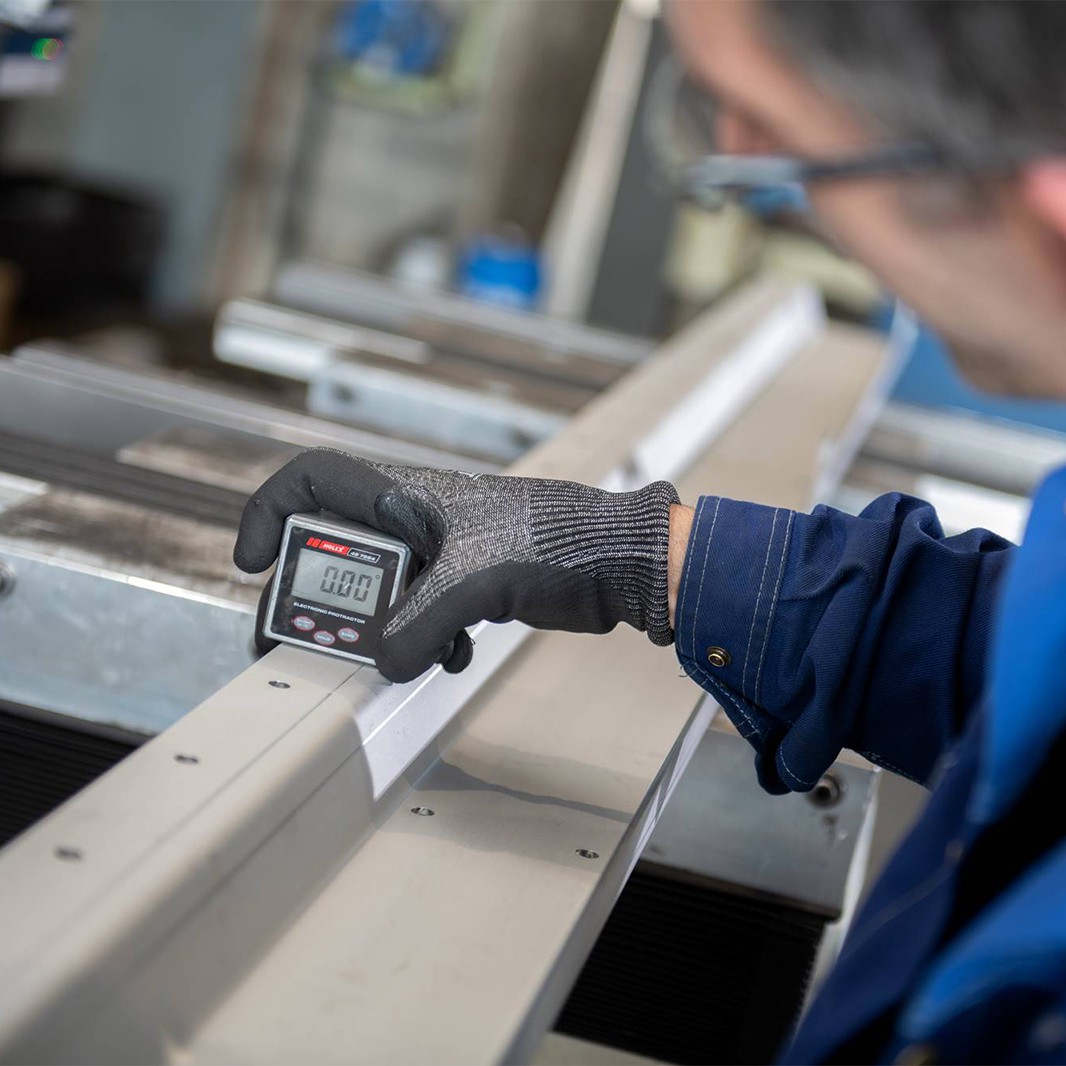
Mitigating Procurement Risks in Global Steel Transactions
Cross-border steel procurement involves significant capital outlays, rigorous international technical standards, and lengthy ocean transit times. Whether purchasing high-strength rebar, hot-rolled coils, alloy seamless tubes, or cold-drawn profiles, implementing a structured quality assurance (QA) protocol from contract signing through container sealing is essential for global buyers.
Step 1: Scrutinizing the Mill Test Certificate (MTC)
The Mill Test Certificate represents the official legal and technical identity of delivered steel heats. Genuine MTCs must strictly conform to EN 10204 Type 3.1 (validated by the manufacturer independent inspection representative) or Type 3.2 (co-certified with an independent third-party inspector such as SGS, BV, or TÜV).
- Heat Number Traceability: Ensure the heat numbers stamped on physical steel tags, pipe stencils, or coil bands match the MTC line by line.
- Chemical Composition Verification: Check Carbon (C), Manganese (Mn), Silicon (Si), Phosphorus (P), and Sulfur (S) limits against designated standard thresholds (e.g., ASTM, EN, JIS, GB).
- Mechanical Properties: Confirm Yield Strength (ReH/Rp0.2), Ultimate Tensile Strength (Rm), Elongation (A%), and Charpy V-Notch Impact Test values at designated testing temperatures (e.g., -20°C / -40°C).
Step 2: Dimensional Tolerances & Weight Calculation Methods
Commercial disputes often arise from misunderstandings between theoretical weight and actual scale weight:
- Theoretical Weight vs. Actual Weight: Contracts must explicitly state whether invoicing is executed based on standard dimensional volume calculations or certified weighbridge tickets.
- Tolerance Ranges: Establish acceptable tolerance bands for thickness (e.g., +/- 0.02mm to 0.05mm), width, pipe ovality, straightness (typically ≤ 1.5mm/m), and bevel angles (30°-35° with root face for weld preparation).
Step 3: Non-Destructive Testing (NDT) & Surface Inspection
For pressure-bearing and structural steel, visual inspection should be reinforced with rigorous Non-Destructive Testing:
- Ultrasonic Testing (UT): Identifies internal laminations, subsurface cracks, or inclusions within heavy plate and pipe wall sections.
- Hydrostatic Testing: Mandatory for fluid pipeline grades (API 5L/ASTM A53) to verify zero pressure drop and absence of leakage under proof test pressures.
- Surface Quality: Verify absence of heavy rust pitting, scratches, blisters, slag inclusions, or edge delamination.
Step 4: Seaworthy Export Packaging & Ocean Logistics Protection
Ocean freight voyages spanning 30 to 60 days expose steel cargoes to dynamic moisture condensation (cargo sweat) and saline marine breezes. High-standard export packaging is non-negotiable:
- Coil Protection: Multi-layer waterproof kraft paper + inner/outer plastic wrap + galvanized iron side guards + metal corner protectors strapped with circumferential and radial steel bands.
- Pipe Packaging: Bundled with high-tensile steel straps, recessed plastic end caps to protect bevels, and external anti-rust oil or black varnish coating.
- Desiccants & Container Lashing: Insertion of high-capacity container desiccant bags and heavy wooden chocking to prevent shifting and physical abrasion during vessel transit.
Conclusion
Partnering with verified steel manufacturers who offer comprehensive in-house laboratory facilities, strict traceability, and transparent third-party inspection access ensures that delivered materials consistently meet engineering specifications upon arrival at destination ports worldwide.
Leave A Message
If you are interested in our products and want to know more details, please leave a message here, we will reply you as soon as we can.