
Recent News
- ▶ Preventing Ocean Cargo Rust and Moisture Damage: Best Practices for Global Steel Shipping and Customs Clearance
- ▶ Stainless Steel Grade Selection: Comparing 304, 316L, and Duplex 2205 for Chemical and Marine Applications
- ▶ A Complete Guide to Structural Steel Rebar and Beams: ASTM vs BS vs EN Standards for Infrastructure Projects
- ▶ Essential Quality Control Checkpoints for International Steel Sourcing: From MTC Verification to Container Loading
- ▶ Galvanized vs Galvalume vs PPGI: How Modern Coating Technology Protects Steel in Harsh Environments
- ▶ A Comprehensive Guide to Selecting Steel Pipes for Industrial Pipelines: Seamless, ERW, LSAW, and SSAW
Message
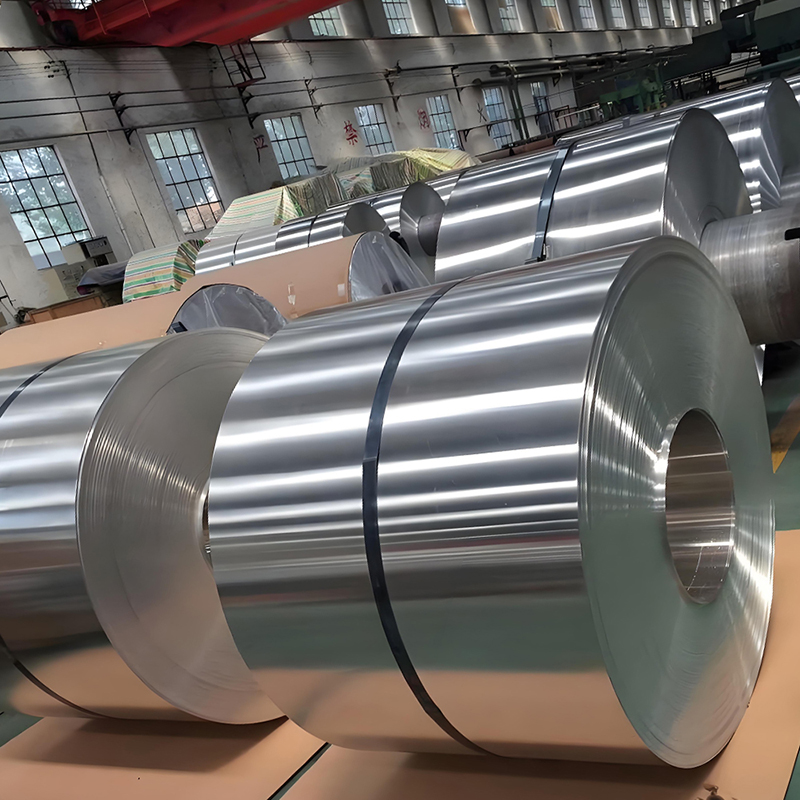
The Science of Stainless: Why Alloying Elements Matter
Stainless steel earns its corrosion resistance from a microscopically thin, self-healing chromium oxide passive film (minimum 10.5% Chromium). However, in aggressive chemical environments, marine atmospheric zones, and high-chloride industrial waters, selecting the wrong grade leads to rapid pitting, crevice corrosion, or stress corrosion cracking (SCC). Understanding the role of Molybdenum (Mo), Nickel (Ni), and Nitrogen (N) is vital for material engineers.
1. Grade 304 / 304L: The Global Workhorse
Grade 304 (18% Cr, 8% Ni) is the most widely specified austenitic stainless steel worldwide.
- Characteristics: Outstanding formability, excellent deep-drawing properties, and superior weldability. Grade 304L features ultra-low carbon (≤0.03%) to eliminate carbide precipitation during welding.
- Corrosion Threshold: Performs reliably in rural, urban, and moderate indoor environments. However, it is susceptible to pitting in coastal zones (salt-spray within 5km) and warm chloride solutions (>50 ppm Cl⁻).
- Primary Applications: Food & beverage processing, architectural trim, commercial kitchenware, storage tanks, and sanitary piping.
2. Grade 316 / 316L: The Marine & Chemical Standard
Grade 316 incorporates 2.0% to 3.0% Molybdenum alongside higher Nickel content (10% to 14%).
- Characteristics: The addition of Molybdenum dramatically enhances resistance to localized chloride pitting and sulfuric/phosphoric acid corrosion.
- Corrosion Metric: PREN (Pitting Resistance Equivalent Number) ranges from 23 to 25, compared to ~18 for Grade 304.
- Primary Applications: Marine deck hardware, offshore oil & gas platforms, pharmaceutical manufacturing equipment, coastal facades, and chemical processing pipelines.
3. Duplex 2205 (UNS S32205 / EN 1.4462): High Strength & Severe Environment Defense
Duplex stainless steel features a mixed microstructure containing approximately equal parts austenite and ferrite (22% Cr, 5% Ni, 3% Mo, 0.17% N).
- Mechanical Advantage: Yield strength (≥450 MPa) is roughly double that of standard austenitic grades (304/316), allowing engineers to down-gauge plate thickness and reduce total structural weight.
- Corrosion Resistance: High PREN rating (≥35) provides exceptional defense against chloride stress corrosion cracking, sour gas (H2S), and seawater erosion.
- Primary Applications: Chemical cargo tankers, subsea flowlines, desalination plants, pressure vessels, and pulp & paper digesters.
Summary & Surface Finish Options
When specifying stainless steel plate, sheet, or pipe, always define the required surface finish:
- No. 1 / 1D: Hot-rolled, annealed, and pickled for heavy industrial applications.
- 2B Finish: Cold-rolled, smooth reflective finish for general fabrication and tanks.
- BA (Bright Annealed) / No. 4 (Hairline): High-aesthetic mirror or brushed finishes for appliances and commercial architectural cladding.
Leave A Message
If you are interested in our products and want to know more details, please leave a message here, we will reply you as soon as we can.